
Electric SUVs are no longer judged only by brochure numbers. Buyers today want to know how a vehicle performs in real driving conditions—on highways, in traffic, with air conditioning on and passengers onboard. Mahindra’s upcoming electric SUV has entered this critical phase, as it is now being tested beyond controlled environments. These early real-world trials are offering a clearer picture of what customers can expect when the vehicle finally reaches showrooms.
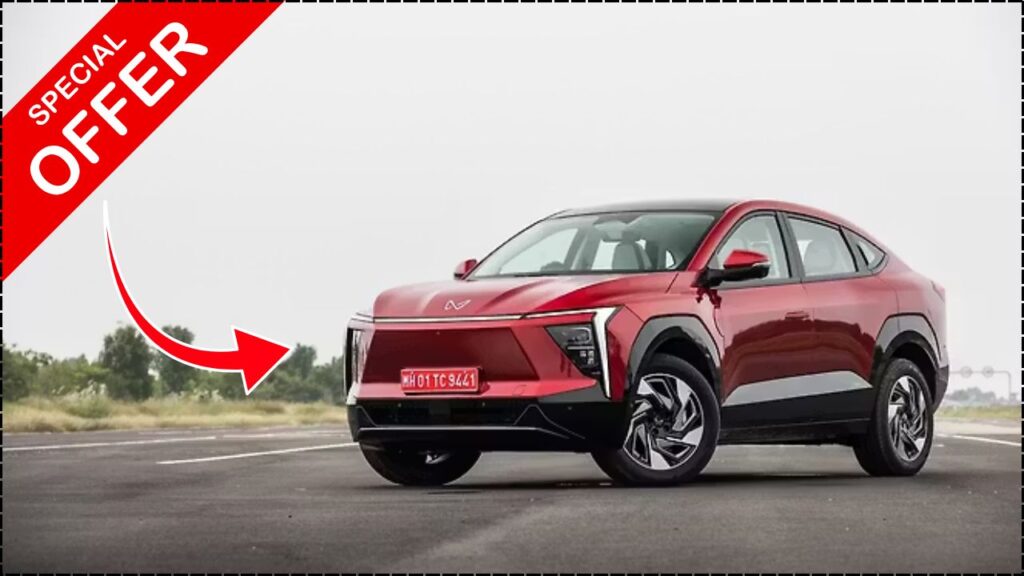
The growing interest around Mahindra’s new electric platform is also driven by timing. With the Indian EV market heating up and buyers becoming more range-conscious, every kilometre matters. Real-world range tests, rather than lab-certified figures, are becoming the key decision factor. Mahindra appears well aware of this shift, putting its latest electric SUV through demanding scenarios before opening the order books.
The Mahindra XEV 9e is positioned as one of the brand’s most important electric launches to date. Built on Mahindra’s dedicated electric architecture, the SUV aims to bridge the gap between performance, practicality, and long-distance usability. Unlike earlier EVs that focused primarily on city driving, this model is clearly designed with highway and mixed-use conditions in mind.
What makes the XEV 9e stand out early is Mahindra’s emphasis on transparency. Instead of relying solely on standard test cycles, the company and independent testers are already evaluating the vehicle in real traffic, varying speeds, and real weather conditions. This approach is helping potential buyers form realistic expectations well before deliveries begin.
Overview of Mahindra XEV 9e
| Key Aspect | Details |
|---|---|
| Vehicle Type | Electric SUV |
| Platform | Dedicated Mahindra EV architecture |
| Battery Options | Multiple battery pack choices |
| Claimed Range | Expected to be competitive in its segment |
| Real-World Testing | Highway and mixed driving conditions |
| Charging Focus | Fast-charging compatibility |
| Target Buyers | Urban and highway EV users |
| Expected Booking Offers | Early booking benefits likely |
Real-World Range Testing Approach
Unlike controlled laboratory cycles, real-world range testing exposes an EV to everyday variables. The Mahindra XEV 9e was driven at sustained highway speeds, combined with urban traffic stretches. Factors such as regenerative braking behaviour, air-conditioning usage, and load were taken into account.
These tests are crucial because highway driving typically consumes more energy than city usage. Early observations suggest that the vehicle maintains efficiency even at higher speeds, which is often a weak point for many electric SUVs. The consistency of energy consumption across different driving conditions appears to be one of its strengths.
Battery Performance and Efficiency
Battery performance is at the heart of any EV, and Mahindra seems to have invested heavily in this area. The XEV 9e is expected to offer more than one battery configuration, allowing buyers to choose between affordability and extended range.
During testing, energy usage remained stable without sharp drops, indicating effective thermal management. This is particularly important in Indian conditions, where temperature fluctuations can significantly impact battery efficiency. The battery’s ability to deliver predictable range figures adds confidence for buyers planning longer trips.
Highway Driving Experience
Highway driving is where many EVs struggle, but the Mahindra XEV 9e shows promising results. At steady cruising speeds, the SUV reportedly maintains a smooth power delivery without sudden spikes in consumption.
The vehicle’s aerodynamic design plays a role here. Reduced wind resistance helps preserve battery charge at higher speeds. Additionally, the suspension setup appears tuned for comfort, ensuring that long-distance travel does not feel tiring—an important factor for EV buyers upgrading from traditional SUVs.
City Driving and Regenerative Braking
In urban conditions, regenerative braking efficiency becomes crucial. The XEV 9e uses regenerative systems that recover energy during deceleration and braking, improving overall efficiency.
Early impressions indicate that the regen system is well-calibrated, avoiding overly aggressive braking that can feel unnatural. This balance makes city driving smoother while contributing to better real-world range. For daily commuters, this means fewer charging stops and lower running costs.
Charging Capability in Mahindra XEV 9e
Charging speed and convenience are just as important as range. The Mahindra XEV 9e supports fast charging, which significantly reduces downtime on longer journeys.
In practical terms, this allows users to add a substantial amount of range during short breaks. For home charging, compatibility with standard setups ensures ease of ownership. This dual approach—fast public charging and convenient home charging—makes the vehicle more adaptable to different user lifestyles.
Interior Comfort and Usability Impact on Range
Interior features can directly affect range, especially when systems like climate control are heavily used. The XEV 9e’s cabin is designed to balance comfort with efficiency.
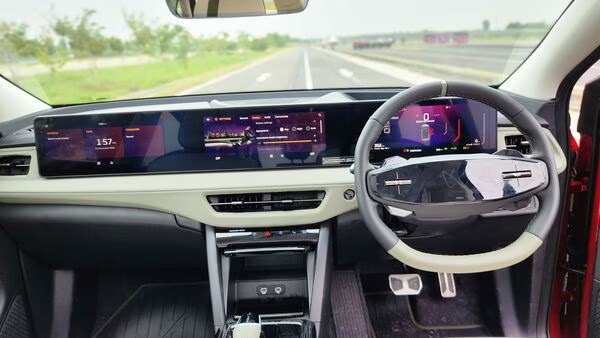
Efficient climate control systems help minimise energy drain without compromising passenger comfort. This is particularly relevant in extreme weather, where air conditioning usage can significantly reduce range. The vehicle’s ability to maintain efficiency even with these systems active is a positive sign for real-world usability.
Driving Modes and Their Role in Efficiency
The Mahindra XEV 9e is expected to offer multiple driving modes, each optimised for different conditions. Eco modes prioritise range, while performance modes deliver quicker acceleration at the cost of slightly higher consumption.
During testing, switching between modes showed noticeable differences in energy usage. This flexibility allows drivers to adapt their driving style based on trip length, traffic, and charging availability. Such adaptability is becoming an essential feature in modern EVs.
Safety and Stability of Mahindra XEV 9e at Higher Speeds
Safety systems also play a role in how confidently an EV can be driven at highway speeds. The XEV 9e’s stable handling and predictable braking inspire confidence, which indirectly supports efficient driving.
When drivers feel in control, they are less likely to make sudden acceleration or braking inputs, both of which increase energy consumption. The vehicle’s stability therefore contributes not just to safety but also to better real-world range.
Expected Early Booking Deals on Mahindra XEV 9e
Mahindra is likely to attract early adopters with booking incentives. These may include priority delivery, special pricing, or bundled charging solutions. Early booking offers are becoming common in the EV segment, helping manufacturers build momentum before full-scale deliveries begin.
Given the interest generated by real-world range testing, early booking deals could play a significant role in shaping demand. Buyers who value transparency and proven performance may be more inclined to commit early.
Toyota Sequoia Hybrid 2026 with Powerful 4×4 Performance – Dhamaka Deal on Full-Size SUV
Market Positioning and Competition
The Mahindra XEV 9e enters a competitive electric SUV space. However, its focus on real-world performance rather than just claimed figures could give it an edge.
By addressing common EV concerns—range anxiety, charging convenience, and highway usability—Mahindra is positioning the XEV 9e as a practical alternative to both electric and traditional SUVs. This strategy aligns well with evolving buyer expectations.
Final Thoughts
The Mahindra XEV 9e’s real-world range testing highlights a clear shift in how electric vehicles are being evaluated. Instead of relying solely on laboratory numbers, Mahindra is showcasing performance where it truly matters—on actual roads, under everyday conditions.
Early results suggest that the SUV delivers consistent efficiency, strong highway performance, and practical charging solutions. Combined with expected early booking benefits, the XEV 9e is shaping up to be a serious contender in the electric SUV segment. For buyers looking beyond brochure claims, this approach could make all the difference.