
The shift toward electric mobility is no longer limited to scooters and commuter motorcycles. Performance brands are now embracing electrification, and Kawasaki’s latest move confirms that this transition has truly entered the sportbike segment.
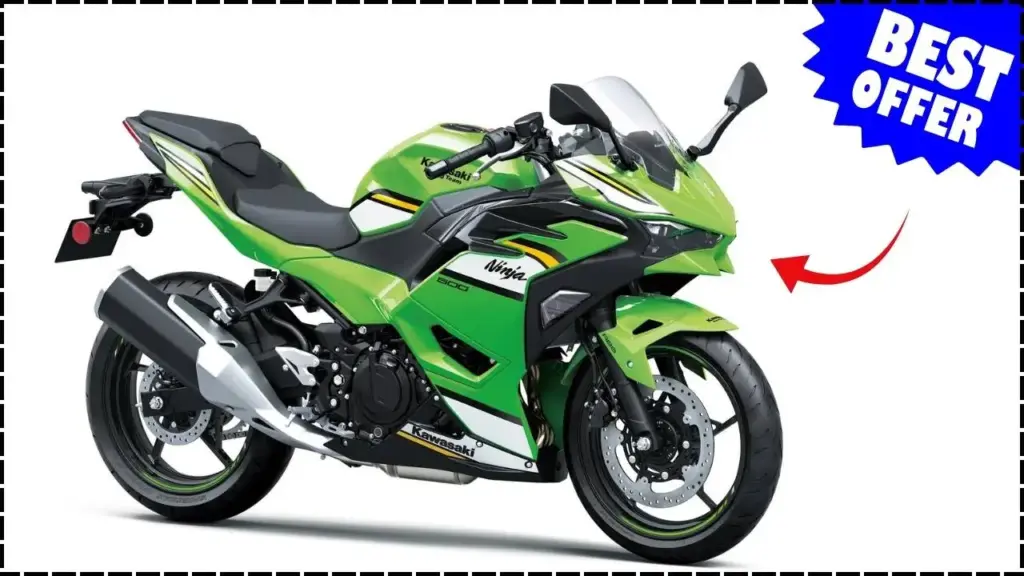
With the unveiling of its electric Ninja, Kawasaki signals a clear intent to redefine what riders can expect from electric motorcycles—performance, practicality, and excitement in one package.
Kawasaki Ninja Electric – Overview Table
| Specification | Details |
|---|---|
| Riding Range | Up to 380 km (claimed) |
| Motor Type | High-performance electric motor |
| Acceleration | Quick, instant-torque response |
| Top Speed | Optimized for city and highway riding |
| Charging Support | Standard + fast charging |
| Riding Modes | Multiple selectable modes |
| Regenerative Braking | Yes |
| Design Language | Sporty Ninja-inspired styling |
| Target Riders | Urban commuters & sportbike enthusiasts |
| Launch Offer | Limited-time introductory deal |
Long known for its aggressive styling and race-inspired engineering, Kawasaki has carefully translated the Ninja identity into an electric platform. Rather than treating electrification as an experiment, the brand has focused on real-world usability, strong acceleration, and extended range.
With a claimed riding range of up to 380 kilometers, quick throttle response, and an introductory limited-time deal, the electric Ninja arrives as one of the most talked-about launches in the electric two-wheeler space.
Kawasaki Ninja Electric Launch
The Kawasaki Ninja Electric Launch represents a strategic evolution of the Ninja lineup rather than a departure from it. This electric model is positioned to appeal to riders who want modern technology without losing the thrill that has defined Ninja motorcycles for decades.
Kawasaki has designed this bike to feel familiar in performance and riding dynamics, even though the powertrain is entirely electric. What makes this launch particularly significant is its focus on balance. Instead of prioritizing extreme top speed alone, Kawasaki has aimed to deliver a mix of usable range, fast acceleration, stable handling, and everyday comfort.
The result is an electric sport motorcycle that fits both city riding and longer highway journeys, supported by a limited-time launch deal that makes early ownership more accessible.
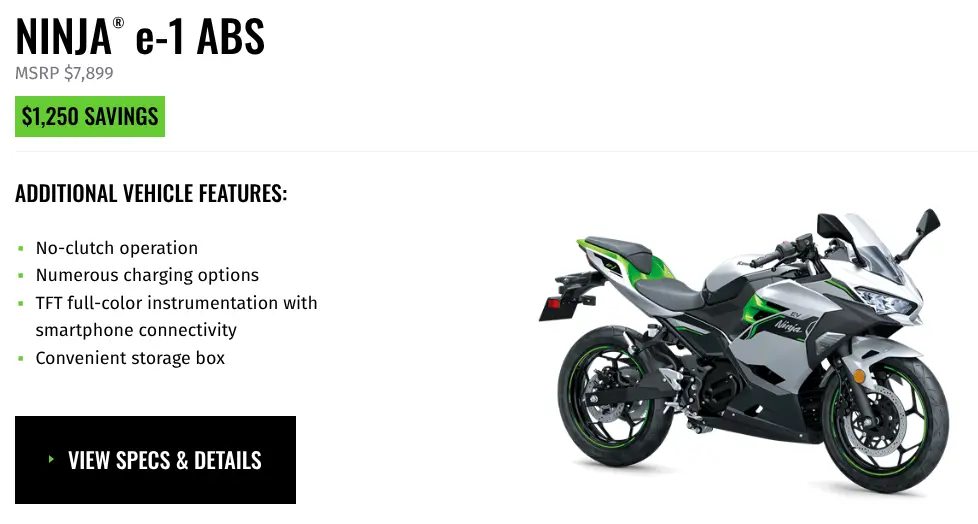
Electric Motor and Instant Performance
At the core of the electric Ninja is a performance-oriented electric motor designed to deliver immediate torque. Unlike petrol engines that rely on gear shifts and RPM buildup, the electric setup responds instantly to throttle input.
This makes acceleration feel sharp and effortless, particularly during city rides and overtaking maneuvers. Kawasaki has tuned the power delivery to ensure smooth progression rather than sudden surges. This approach keeps the bike approachable for everyday riders while still offering the excitement expected from a Ninja-branded motorcycle.
The result is confident performance without intimidation, making the bike suitable for both experienced riders and those transitioning from smaller motorcycles.
380KM Range of Kawasaki Ninja Electric
Range remains one of the biggest concerns for potential electric motorcycle buyers, and Kawasaki has addressed this directly. The claimed 380KM riding range places the electric Ninja well above many current electric sport bikes in terms of endurance.
This extended range is made possible through efficient battery management, optimized aerodynamics, and selectable riding modes.
While aggressive riding will naturally reduce overall distance, conservative modes allow riders to stretch range significantly during daily commuting or longer trips. This makes the bike practical not only as a second vehicle but also as a primary motorcycle.
Charging Speed and Daily Convenience
Charging flexibility is another major focus of the electric Ninja. The bike supports fast charging, which can significantly reduce downtime during longer rides or busy schedules. Fast charging allows riders to regain a meaningful amount of range in a relatively short period, making electric ownership more convenient.
For home use, standard overnight charging is sufficient for most daily needs. This combination of home charging convenience and public fast-charging compatibility ensures that the electric Ninja fits seamlessly into modern riding routines.
Sporty Design with Functional Aerodynamics in Kawasaki Ninja Electric
Visually, the electric Ninja stays true to Kawasaki’s aggressive design philosophy. Sharp bodywork, aerodynamic fairings, and a forward-leaning stance give it a strong sportbike presence. Kawasaki has avoided overly futuristic styling, choosing instead to retain the familiar Ninja silhouette with subtle electric-specific refinements.
Aerodynamics play a key role not only in performance but also in efficiency. The streamlined body helps reduce drag at higher speeds, contributing to improved range and stability. LED lighting, a fully digital instrument cluster, and clean panel integration further enhance the bike’s premium feel.
Riding Modes, Regeneration, and Smart Electronics
The Kawasaki Ninja Electric is expected to feature multiple riding modes that allow riders to tailor performance based on conditions and preference. These modes adjust power output, throttle response, and regenerative braking intensity.
Regenerative braking is particularly useful in urban environments, helping recover energy during deceleration while also reducing brake wear. Combined with traction control and electronic safety aids, these features enhance rider confidence and overall efficiency without compromising the fun factor.
Comfort, Handling, and Ride Quality of Kawasaki Ninja Electric
Despite its sporty appearance, the electric Ninja is designed for real-world comfort. The riding position balances aggression with ergonomics, allowing riders to handle longer rides without excessive fatigue. Seat cushioning, handlebar placement, and footpeg positioning are optimized for both city and highway use.
The chassis and suspension are tuned to manage the weight of the battery while maintaining agility. Kawasaki’s experience in performance engineering is evident in the bike’s expected stability at speed and confidence during cornering.
Ownership Costs and Long-Term Savings
One of the often-overlooked advantages of electric motorcycles is lower running costs. The electric Ninja eliminates fuel expenses and significantly reduces maintenance requirements. There are no oil changes, fewer moving parts, and reduced wear on components like brakes due to regenerative braking.
Over time, these factors can lead to meaningful savings compared to petrol-powered sport bikes. For riders who commute regularly, the cost-per-kilometer advantage of electric riding becomes particularly noticeable.
Kawasaki Ninja Electric Comparison with Petrol Ninja Models
While traditional Ninja models deliver thrilling engine sound and high-speed performance, the electric Ninja offers a different kind of appeal. It provides silent acceleration, lower operating costs, and zero tailpipe emissions while still delivering strong performance.
For riders focused on daily usability and sustainability, the electric Ninja presents a compelling alternative. It does not aim to replace high-displacement petrol Ninjas entirely but instead expands the Ninja lineup to suit evolving rider needs.
Safety Features and Rider Confidence
Safety has not been overlooked in this launch. The electric Ninja is expected to include modern braking systems, traction control, and stability-focused electronics. These features help manage power delivery, especially in wet or low-grip conditions.
A clear digital display provides real-time information on speed, range, battery status, and riding mode, helping riders stay informed without distraction.
Limited-Time Launch Deal and Market Position
To encourage early adoption, Kawasaki is offering a limited-time introductory deal with the Ninja Electric launch. This may include special pricing benefits, extended warranty options, or complimentary charging accessories, depending on the market.
This strategy positions the electric Ninja competitively, making it an attractive option for riders who have been waiting for a trusted performance brand to enter the electric segment seriously.
Related Links
Environmental Impact and Kawasaki’s Electric Vision
Beyond performance, the electric Ninja reflects Kawasaki’s broader commitment to reducing emissions and embracing sustainable mobility. By introducing electric models alongside traditional engines, the brand is preparing for a future where riders can choose performance with lower environmental impact.
This launch is expected to be the first step in a growing lineup of electric and hybrid motorcycles from Kawasaki in the coming years.
The Kawasaki Ninja Electric Launch represents a confident and well-balanced entry into the electric sport motorcycle segment. With a claimed 380KM range, quick acceleration, fast-charging support, and familiar Ninja styling, the bike successfully blends performance with practicality.
Supported by a limited-time launch deal and Kawasaki’s reputation for engineering excellence, the electric Ninja stands as a strong option for riders ready to embrace electric mobility without sacrificing excitement. It is not just a new model—it is a clear signal that electric sport motorcycles are ready for the mainstream.