
The 2026 Hyundai Tucson is ready to take center stage in the premium SUV market. Hyundai, renowned for its practical, value-driven vehicles, is now pushing the Tucson as a more refined option for buyers who demand both luxury and performance at an affordable price point.
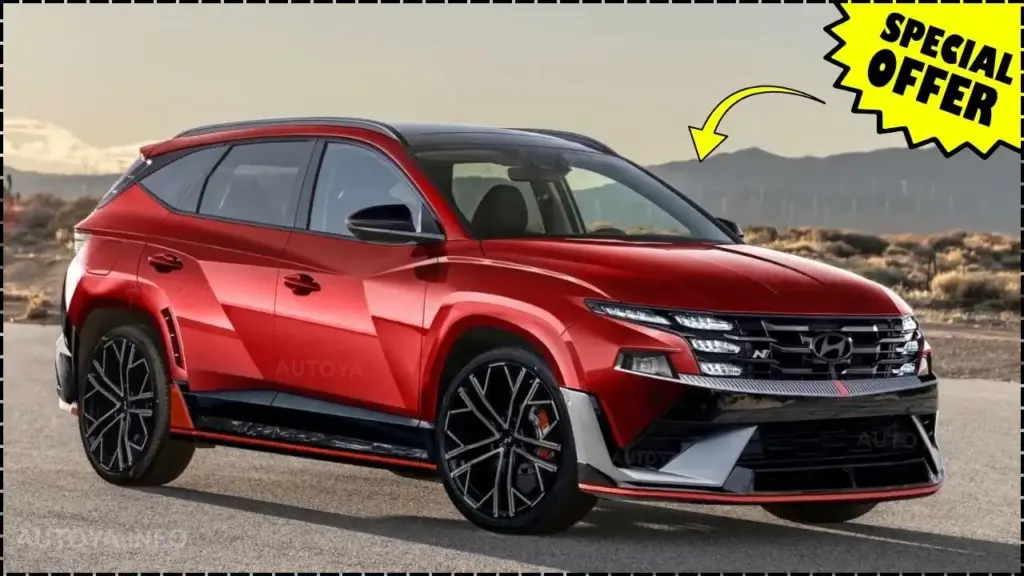
The 2026 model is set to deliver bold design changes, advanced hybrid powertrains, and the latest driver-assist technologies. With an exciting new set of features and performance options, the Tucson continues to be a strong contender in a competitive segment.
Hyundai Tucson 2026 Overview Table
| Feature | Details |
|---|---|
| Powertrain Options | Gasoline, Hybrid, Electric (expected) |
| Engine Options | 2.5L inline-4 (gas), 1.6L hybrid powertrain |
| Trims Available | SE, SEL, N Line, Limited, Ultimate |
| Starting Price | $30,000 (estimate) |
| Fuel Economy (Hybrid) | 40 mpg city, 38 mpg highway |
| Infotainment | 10.25-inch touchscreen, Apple CarPlay, Android Auto |
| Safety Features | Forward Collision Warning, Lane-Keeping Assist |
| Interior Space | 38.7 cubic feet of cargo space |
| Warranty | 10-year/100,000-mile powertrain warranty |
As SUV demand remains strong, Hyundai is positioning the 2026 Tucson as an attractive alternative to high-end competitors such as the Toyota RAV4, Mazda CX-5, and Honda CR-V. These rivals dominate the market, but Hyundai’s updated offering promises a compelling combination of style, value, and innovation.
The introduction of the hybrid powertrain option signals a shift towards more environmentally conscious choices, appealing to eco-aware buyers who are seeking improved fuel efficiency and reduced emissions.
Hyundai Tucson 2026: A Game-Changer in the SUV Segment
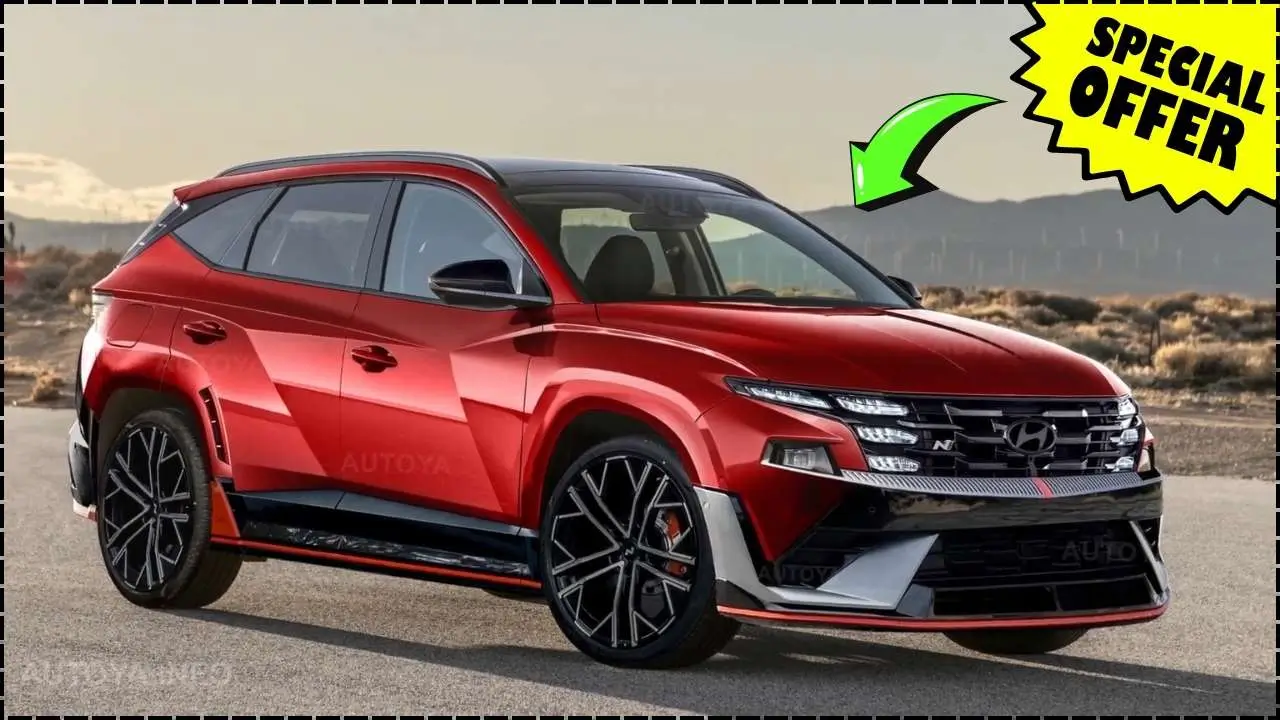
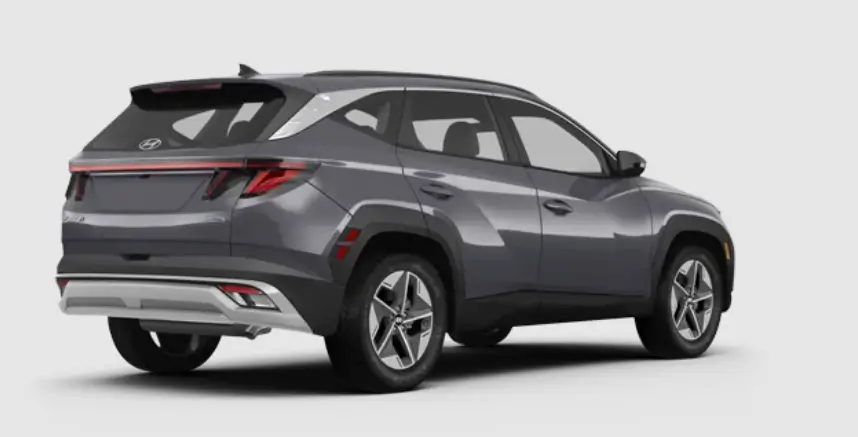
The 2026 Hyundai Tucson takes on a more sporty, elegant exterior with a modern design that includes sharp body lines, an updated front grille, and new LED headlights. Inside, the cabin is equally impressive, with a high-quality finish and cutting-edge technology. The new model is likely to be a smart investment for those in search of a premium SUV without the premium price tag.
With its flexible powertrain options, including gasoline, hybrid, and potentially electric models, the 2026 Tucson is positioned to cater to a broad spectrum of consumer preferences. In addition to improved fuel economy, Hyundai’s hybrid powertrain is expected to be highly competitive in the marketplace, offering performance without sacrificing efficiency.
Furthermore, all-wheel drive (AWD) availability ensures that the Tucson can handle a variety of road conditions, appealing to buyers looking for a versatile vehicle.
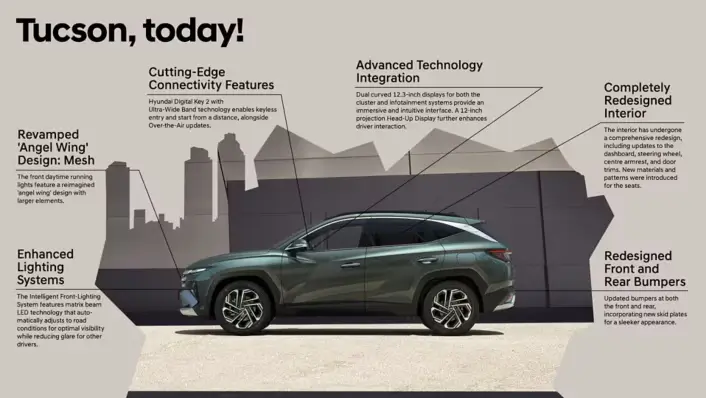
The 2026 Hyundai Tucson will offer a comprehensive range of features that combine modern technology, eco-friendly powertrains, and enhanced comfort. Hyundai is also focusing on interior versatility with ample cargo space, making the Tucson an attractive option for families and travelers. The SUV’s standard features like Apple CarPlay and Android Auto ensure that connectivity is never compromised.
What’s New in the 2026 Hyundai Tucson?
A Modern and Refined Exterior Design
The 2026 Hyundai Tucson will sport a more refined, premium exterior. The vehicle’s sharp contours and angular lines give it an athletic appearance, signaling its ability to handle both urban and rugged terrains.
The front end features an updated grille, a larger air intake, and new LED headlights that contribute to a more aggressive and dynamic profile. These updates enhance the Tucson’s appeal to younger buyers looking for something bold and stylish.
Hybrid and Electric Powertrains
One of the most significant changes in the 2026 Tucson is the introduction of hybrid powertrains. The hybrid version of the Tucson will combine performance and efficiency, making it an ideal choice for environmentally conscious buyers.
Hyundai is also exploring the possibility of introducing an electric version of the Tucson, which could be a game-changer in markets with growing demand for electric vehicles (EVs). This move reflects Hyundai’s commitment to offering sustainable alternatives in their vehicle lineup.
Buyers will have the option to choose between gasoline, hybrid, and potentially electric variants, giving them the flexibility to select a model based on fuel efficiency or environmental concerns.
Hyundai’s focus on fuel economy is expected to make the Tucson one of the most efficient SUVs in its class, with the hybrid model providing fuel economy numbers approaching 40 mpg city and 38 mpg highway.
Leasing and Financing Options for Hyundai Tucson 2026
Competitive Lease Offers
For those looking for more affordable monthly payments, Hyundai will likely offer competitive lease options for the 2026 Tucson. Early reports suggest that the lease payment for the Tucson could start at around $269 per month, depending on the trim and market conditions.
These offers make the Tucson an appealing option for those who prefer lower upfront costs and flexible payment options.
Financing Plans and Extended Warranties
In addition to attractive lease offers, financing options for the 2026 Hyundai Tucson will be available, allowing buyers to spread out the cost of their purchase over several years.
Hyundai’s 10-year/100,000-mile powertrain warranty will also provide added peace of mind for those looking for long-term ownership. Buyers can also opt for extended warranty plans for even greater protection and maintenance coverage.
The Competitive Landscape: Hyundai vs. Rivals
The 2026 Hyundai Tucson enters a highly competitive market, where it will compete against established names like the Toyota RAV4, Honda CR-V, Mazda CX‑5, and the Ford Escape. These vehicles have long been favorites among buyers in the mid-size SUV segment, thanks to their reliability, fuel efficiency, and affordable pricing.
However, Hyundai’s hybrid emphasis and premium features could give the Tucson an edge over its rivals. The Tucson’s advanced technology and improved fuel efficiency make it a strong contender in the eco-conscious SUV market. Additionally, the SUV’s affordable pricing compared to similarly equipped premium models from Toyota and Honda offers buyers more value for their money.
Long-Term Ownership Costs of Hyundai Tucson 2026
One of the key factors that will drive the 2026 Hyundai Tucson’s popularity is its long-term ownership costs. The vehicle’s fuel-efficient hybrid powertrain and low maintenance costs make it an attractive option for budget-conscious buyers.
Hyundai’s warranty offerings also contribute to lower repair and maintenance expenses over time, ensuring that the Tucson remains a smart investment for many years. Moreover, the SUV’s resale value is expected to hold up well, thanks to Hyundai’s growing reputation for quality and durability.
Whether you’re planning to keep the Tucson for several years or eventually trade it in, you can expect reliable performance and decent resale value at the end of your ownership period.
Related Links
Ford Taurus 2026 Unveiled — Massive Discount Talk in Full-Size Sedan Segment with Bumper Sale
The 2026 Hyundai Tucson — A Premium SUV at an Accessible Price
The 2026 Hyundai Tucson is set to make waves in the premium SUV segment. Offering hybrid options, a sleek design, and a host of premium features, the Tucson is well-equipped to meet the needs of today’s consumers. Whether you’re looking for an eco-friendly vehicle, a tech-savvy interior, or a reliable family SUV, the 2026 Tucson delivers all that and more.
With competitive lease deals and financing options, Hyundai aims to make the Tucson accessible to a broad range of buyers. The affordable pricing and advanced features give the Tucson an edge over rivals in the same segment, making it a strong contender for anyone seeking a premium yet practical SUV.
FAQs About Hyundai Tucson 2026
Q: When will the 2026 Hyundai Tucson be available?
A: The 2026 Tucson will begin to roll out globally in early 2026, with availability varying by market.
Q: What is the expected price of the 2026 Tucson?
A: The base price for the 2026 Hyundai Tucson is estimated to start around $30,000 for the base trim.
Q: What hybrid features does the 2026 Tucson offer?
A: The 2026 Tucson Hybrid offers an improved powertrain for better fuel economy, achieving an estimated 40 mpg in the city and 38 mpg on highways.