
Electric vehicles are becoming a common choice for everyday commuting as fuel prices rise and more affordable EV models enter the market. But one concern remains constant for many new owners: the fear of losing charge in the middle of a trip.
This issue, often called range anxiety, affects both experienced drivers and those shifting from petrol or diesel vehicles. Thankfully, with proper planning and smart driving habits, it is easy to extend range, reduce costs, and avoid breakdowns.
EV Running Out of Charge Mid-Trip
| Category | Key Points |
|---|---|
| Driving Style | Use smooth acceleration, maintain steady speed, avoid sudden braking |
| Route Planning | Identify chargers, use EV navigation, avoid heavy traffic |
| Battery Health | Maintain 20–80% charge, limit fast charging |
| Energy Saving Modes | Activate Eco Mode for maximum efficiency |
| Vehicle Care | Keep tyre pressure correct, reduce unnecessary weight |
| Emergency Tools | Carry portable charger, monitor backup stations |
| Cost Saving | Charge at night, avoid peak-hour electricity rates |
EV Running Out of Charge Mid-Trip
The worry about EV Running Out of Charge Mid-Trip is understandable, especially on unfamiliar routes or long highway drives. Drivers often struggle with judging how much charge is required when traffic, terrain, or weather conditions change.
The reference content highlights practical ways to avoid these issues by adopting efficient driving methods, maintaining the battery properly, and planning trips more carefully. These methods not only increase range but also reduce charging expenses over time.
Smooth Driving Helps Extend Range Naturally
Driving style has one of the biggest impacts on how far an electric vehicle can travel on a single charge. Avoiding sudden acceleration and braking keeps the battery working efficiently. Maintaining a steady speed also helps the vehicle run smoothly while consuming less power.
Regenerative braking, a key feature in most EVs, becomes more effective with gentle driving. When drivers let the car slow down naturally, the motor converts the vehicle’s kinetic energy into stored battery energy. Over long distances, this practice adds meaningful extra range.
Plan Your Routes to Prevent Mid-Trip Surprises
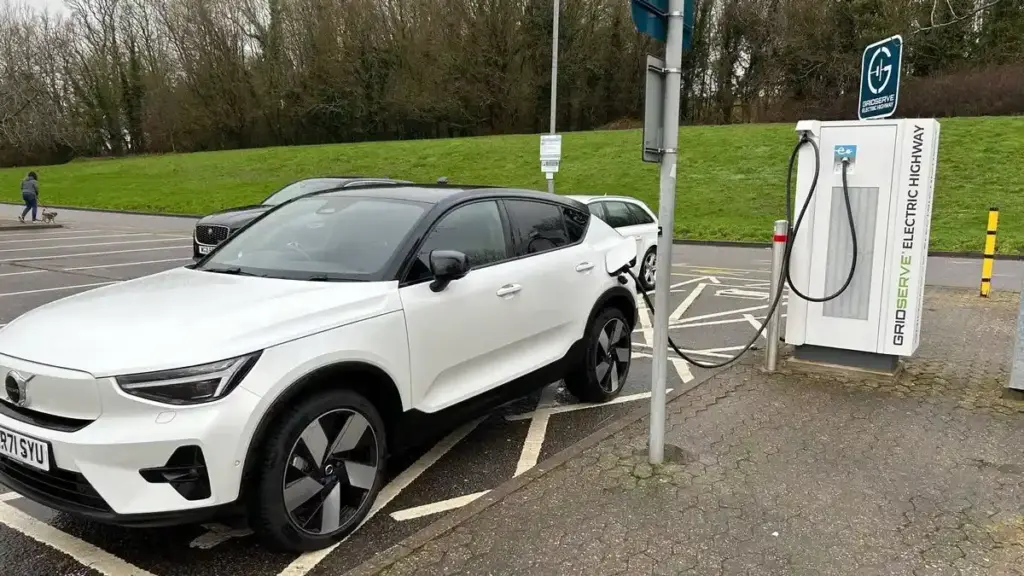
Smart route planning reduces the chances of unexpected charging issues. Using EV-specific navigation apps allows drivers to locate nearby chargers, check availability, and avoid areas with limited charging infrastructure. Planning is especially important during weekend getaways or long highway drives.
It is also helpful to choose routes with moderate traffic. Heavy stop-and-go traffic drains EV batteries faster, but smoother routes with consistent speeds help maintain efficiency.
Use Eco Mode for Efficient Performance
Eco Mode adjusts the vehicle’s power usage to prioritise energy savings. It regulates throttle sensitivity, controls AC power, and focuses the vehicle’s system on maintaining maximum range.
Many EV owners report significant improvements when using Eco Mode during everyday travel. The mode is particularly helpful on crowded city roads where lower speeds and constant braking can affect battery levels.
Manage Your Air Conditioning and Cabin Power Usage
Air conditioning, cabin heaters, and accessories like seat warmers or loud audio systems consume extra energy. Drivers can reduce this load by using climate control moderately, especially on long trips. Pre-cooling or pre-heating the cabin while the EV is still plugged in at home is an effective trick that provides comfort without draining the actual battery.
Tyre Pressure and Vehicle Weight Make a Real Difference
Low tyre pressure adds unnecessary load to the motor, forcing the battery to work harder. Checking tyre pressure every few days keeps the vehicle efficient and safe. Similarly, carrying unneeded items in the boot increases weight and lowers range. Lightweight driving helps conserve energy on both city roads and highways.
Charge Smart: Save Money and Protect Battery Life
Charging habits greatly influence both battery health and charging expenses. Slow home charging is the healthiest option for the battery. Fast charging should be used only when required, as frequent fast charging can cause long-term battery wear.
Electricity is cheaper at night in many regions. Charging during off-peak hours can reduce monthly EV charging bills significantly.
Avoid Charging to Full and Avoid Draining Fully
Experts recommend keeping an EV battery level between 20% and 80% for everyday use. Charging to 100% is useful only for long-distance travel. Letting the battery drop below 10% frequently should also be avoided. When a battery stays in the ideal mid-range, it remains healthier, lasts longer, and provides more consistent range.
Common Mistakes EV Drivers Should Avoid
Many EV owners unintentionally reduce their vehicle’s efficiency through avoidable mistakes:
- Keeping the car in Sport Mode unnecessarily
- Using roof racks that increase wind resistance
- Letting software updates pile up
- Ignoring warning signs related to battery calibration
- Parking in extreme heat for long periods
Avoiding these behaviours helps maintain long-term performance and predicts accurate range numbers.
Weather Impact: How Heat and Cold Affect Range
Weather plays a major role in EV range. Batteries operate best in moderate temperatures.
In hot weather:
- AC usage increases battery consumption
- Battery temperature rises, affecting efficiency
In cold weather:
- Battery needs more energy to maintain temperature
- Regenerative braking becomes less effective
Drivers should plan accordingly, especially when travelling long distances during extreme seasons.
Battery Health Myths vs Facts
There are several misunderstandings about EV batteries:
| Myth | Fact |
|---|---|
| Fast charging always damages the battery | Occasional use is fine; frequent use causes gradual wear |
| Keeping battery at 100% is best | Mid-range charge is healthier |
| Cold weather permanently damages EV batteries | Performance drops temporarily but returns to normal |
| EV batteries require frequent replacement | Most last 8–10 years with proper care |
Understanding these facts helps owners make better choices for long-term EV maintenance.
Prepare for Long-Distance EV Trips
Here are easy steps EV owners should follow:
- Check charging stations on the route
- Charge the car to at least 90%
- Carry portable chargers or adapters
- Avoid excessive speed
- Plan breaks around charging stops
With proper preparation, long EV journeys become smooth and stress-free.
Public Charging Etiquette Tips
EV drivers share public charging spaces. Following good etiquette ensures everyone benefits:
- Move your car immediately after charging is complete
- Avoid unplugging others’ vehicles
- Do not block charging spots while waiting
- Keep cables properly coiled after use
Good manners help create a positive EV community experience.

Related Links
When Should You Service or Replace an EV Battery?
Most EVs require minimal maintenance, but batteries should be checked annually. Signs that indicate service or replacement include:
- Rapid charge loss
- Sudden drops in battery percentage
- Unusual heating
- Reduced charging speed
Addressing issues early prevents breakdowns and unexpected mid-trip charging problems.
Worrying about EV Running Out of Charge Mid-Trip becomes unnecessary when drivers follow smart habits, plan routes well, and maintain their vehicles correctly. From smooth driving and Eco Mode to proper charging practices and smart trip preparation, these steps ensure a safe, cost-effective, and stress-free EV experience.
As charging infrastructure expands, range anxiety will fade even more — but until then, these practical strategies help every EV owner travel with confidence.