
The Bajaj Chetak Electric has been reintroduced in India with upgraded models promising a claimed range of up to 153 kilometres, 0–80 percent charging in around three hours, and a premium metal-body design. As India’s electric-two-wheeler market surges, the Chetak’s combination of heritage styling and modern EV technology seeks to position Bajaj Auto among the leaders of the nation’s sustainable mobility shift.
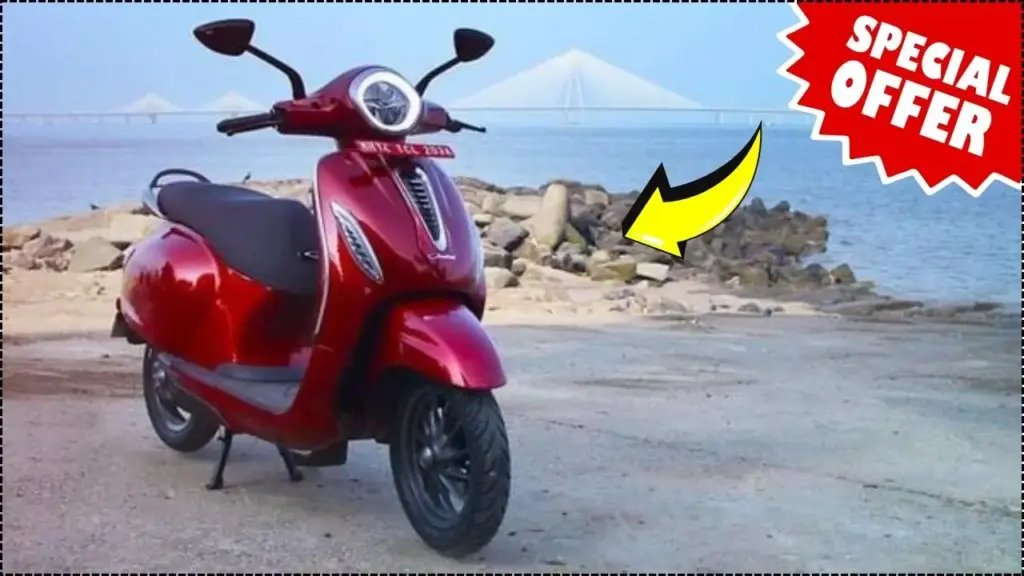
The Bajaj Chetak Electric combines India’s scooter heritage with modern EV engineering, aiming for the sweet spot between premium styling, trust and practical range. While its official range of up to 153 km and three-hour charging make it a credible urban commuter, the widely shared “320 km range” figure is unsupported by any official data.
For consumers seeking a durable and elegant EV backed by a major manufacturer, the Chetak remains among India’s most stylish yet realistic electric scooters in 2025.
Legacy Brand Meets a New Market
The Bajaj Chetak, first launched in the 1970s, was once synonymous with Indian family mobility. After a two-decade hiatus, Bajaj Auto revived the nameplate in 2020 as its flagship electric scooter. The modern Chetak blends retro styling with current EV engineering, reflecting Bajaj’s broader shift toward sustainable manufacturing and domestic battery assembly.
India’s electric-two-wheeler sector has grown rapidly — from fewer than 30,000 registered units in 2018 to more than 1.2 million in 2024, according to the Ministry of Heavy Industries. Government schemes such as Faster Adoption and Manufacturing of Hybrid and Electric Vehicles (FAME II) and state-level incentives in Maharashtra, Delhi and Tamil Nadu have significantly lowered upfront costs for consumers.
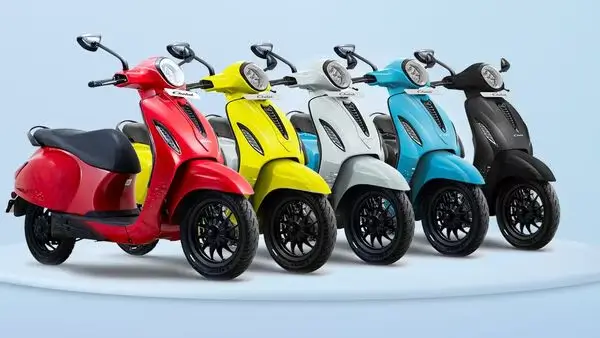
Key Specifications and Pricing
Range and Battery
According to official data from Bajaj Auto, the Series 35 variants — Chetak 3501 and 3502 — deliver a claimed range of 151–153 km on a full charge under IDC conditions. The earlier Series 30 model (Chetak 3001) offers 127 km. Each scooter uses a 3.2 kWh lithium-ion battery.
Despite viral claims of a 320 km range, no such variant currently exists in Bajaj’s catalogue or homologation filings. Independent reviewers including Autocar India and Financial Express confirm that the manufacturer’s latest official range tops out at approximately 153 km.
Charging and Performance
The Chetak 3501 charges from 0–80 percent in about 3 hours to 3 hours 25 minutes, while a full charge can take roughly 5 hours depending on voltage and ambient temperature. Its 4.2 kW electric motor produces 20 Nm of torque and a top speed of around 73 km/h — suitable for daily city commuting.
Price and Availability
Pricing begins at approximately ₹ 1.02 lakh (ex-showroom) for the entry-level 3001 variant, rising to about ₹ 1.22 lakh for the 3502 in major metros. Real on-road prices vary with local taxes and subsidies. The scooter is now sold through more than 200 Bajaj Chetak Experience Centers nationwide.
Design and Features
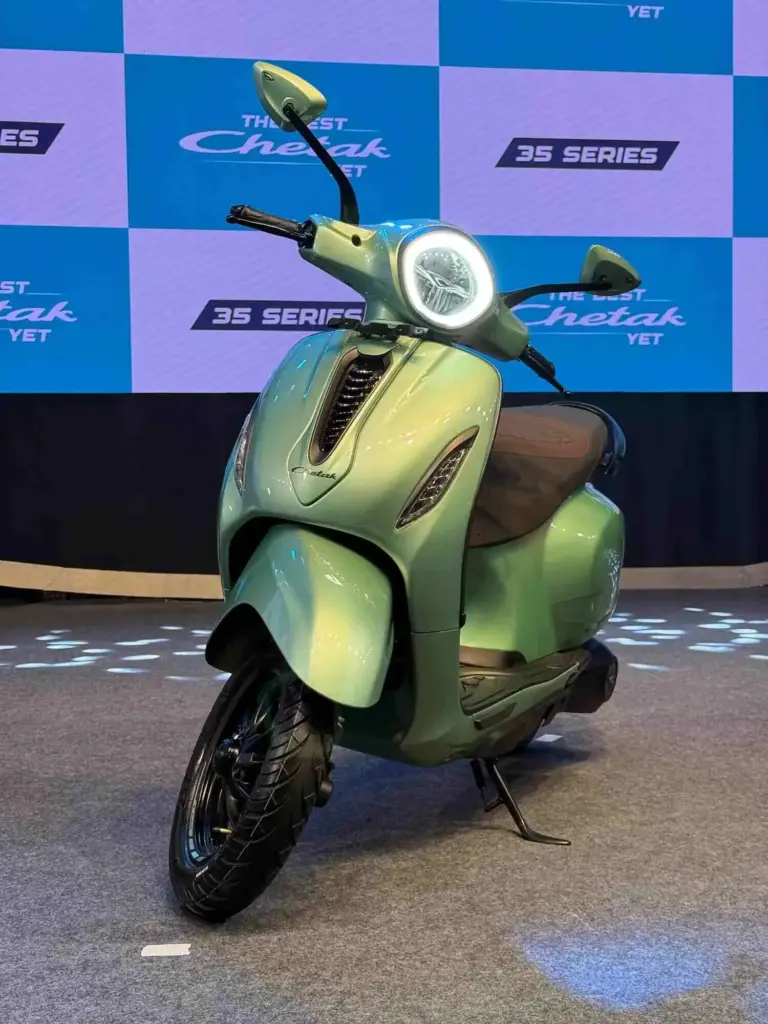
The Chetak distinguishes itself through its metal body, a feature rarely seen in plastic-clad competitors. A single-sided trailing-link suspension, full-LED lighting, and circular TFT display reinforce its premium positioning. Connectivity options include Bluetooth app integration, navigation assistance and over-the-air firmware updates.
Riders can choose between Eco and Sport modes, while a reverse assist function aids parking in crowded urban areas. Bajaj provides a three-year or 50,000 km battery warranty.
Competitive Landscape
India’s EV-scooter segment has become one of the most dynamic globally. Ather Energy’s 450X, Ola Electric’s S1 Pro, and TVS iQube dominate the premium category.
According to industry tracker JMK Research & Analytics, Ather 450X Gen-3 offers about 150 km claimed range, Ola S1 Pro (2nd Gen) about 181 km, and TVS iQube ST around 145 km — placing Bajaj Chetak roughly in the same band, though it emphasizes build quality and heritage over outright range.
“The Chetak’s differentiation lies in Bajaj’s legacy network, quality control and long-term service assurance,” said Dr Rajat Verma, an automotive analyst at IHS Markit India, in an interview quoted by Business Today. “However, Bajaj Auto will need consistent updates to stay competitive in software and battery technology.”
Environmental and Economic Context
Electric two-wheelers contribute to India’s goal of reducing oil imports and urban air pollution. The NITI Aayog estimates that shifting 80 percent of two-wheelers to electric by 2030 could cut carbon emissions by more than 100 million tonnes annually.
From a consumer standpoint, daily running costs for an EV scooter like the Chetak are significantly lower. Bajaj Auto estimates a cost per kilometre of about ₹ 0.25, compared with ₹ 2 or more for petrol scooters, depending on local fuel prices.
Still, sustainability experts caution about battery sourcing and recycling. “Lithium-ion supply chains remain heavily import-dependent, mainly from China and Korea,” noted Dr Sonal Singh, a research fellow at TERI (India’s Energy and Resources Institute). “Recycling infrastructure is improving, but policy clarity and collection networks must evolve to avoid future waste problems.”
Real-World Usage and Limitations
While Bajaj’s official figures provide an optimistic estimate, user-reported data suggest real-world range typically 80–110 km, varying with speed, terrain and payload. A ZigWheels long-term test logged an average range of 95 km per charge in mixed traffic, aligning with these reports.
Public charging infrastructure for scooters remains limited outside major metros. Bajaj has announced partnerships with local utilities and charging-network providers, but rollout is ongoing.
Additionally, the Chetak’s fixed battery means users cannot swap batteries on the go, unlike some new models from start-ups experimenting with battery-exchange networks.
Related Links
Hero Splendor Electric EV with 600km Range and 110km/h Speed: Bumper Offer at ₹33,999
Market Performance and Future Plans
Bajaj Auto reported more than 95,000 Chetak units sold in FY 2024, capturing about 12 percent of India’s electric-scooter market. Analysts expect sales to increase further as the company expands to Tier-2 and Tier-3 cities.
Company executives have hinted at export plans and potential next-generation models. In a statement to investors in August 2025, Rakesh Sharma, Executive Director of Bajaj Auto, said the company intends to “leverage the Chetak platform for multiple power ratings and software-enhanced features,” signalling future variants with longer range and faster charging.
Expert Assessment
Automotive journalists say the Chetak Electric represents a return to craftsmanship in an industry increasingly focused on specification battles. “The Chetak doesn’t chase headline numbers but offers a balanced package for urban riders who value durability and design,” wrote Autocar India’s review editor Rohit Parnami in June 2025.
Still, experts urge buyers to test ride and check local service support before purchase. Unlike start-ups, Bajaj has decades of manufacturing experience — a potential advantage in long-term maintenance and spare-part availability.