

Apple’s future iPhone roadmap is already drawing attention as early reports hint at one of the most meaningful upgrades in years. The upcoming iPhone lineup is expected to focus on noticeable improvements rather than cosmetic changes, particularly in display technology and performance.

These developments suggest Apple is preparing a major leap forward that aligns with growing consumer demand for premium visual quality and long-term performance reliability.
Apple iPhone 18 Series
| Feature | Expected Details |
|---|---|
| Series Name | Apple iPhone 18 Series |
| Display | Pro-level OLED with advanced LTPO |
| Processor | New A20 chipset |
| RAM | Up to 12GB |
| Storage | Multiple high-capacity options |
| Camera | Improved sensors and processing |
| Software | Next-generation iOS |
| Launch Timeline | Expected in 2027 |
| Target Segment | Premium flagship smartphones |
With competition intensifying in the flagship smartphone market, Apple appears to be reinforcing its core strengths—display excellence, hardware-software integration, and sustained performance. The iPhone 18 lineup is expected to reflect this strategy, creating strong anticipation among existing users and potential switchers alike.
Apple iPhone 18 Series – A New Direction for Premium iPhones
The Apple iPhone 18 Series is expected to mark a shift in how Apple distributes high-end features across its lineup. Instead of reserving advanced display technology strictly for Pro models, Apple may extend these upgrades to more devices. This approach would enhance the overall experience while maintaining clear differentiation through performance tiers.
Reports suggest Apple is focusing on future-proofing the lineup by improving core hardware elements such as memory, processing power, and display efficiency. These upgrades are aimed at users who keep their devices for several years and expect consistent performance over time.
Pro-Level Display Technology in Apple iPhone 18 Series
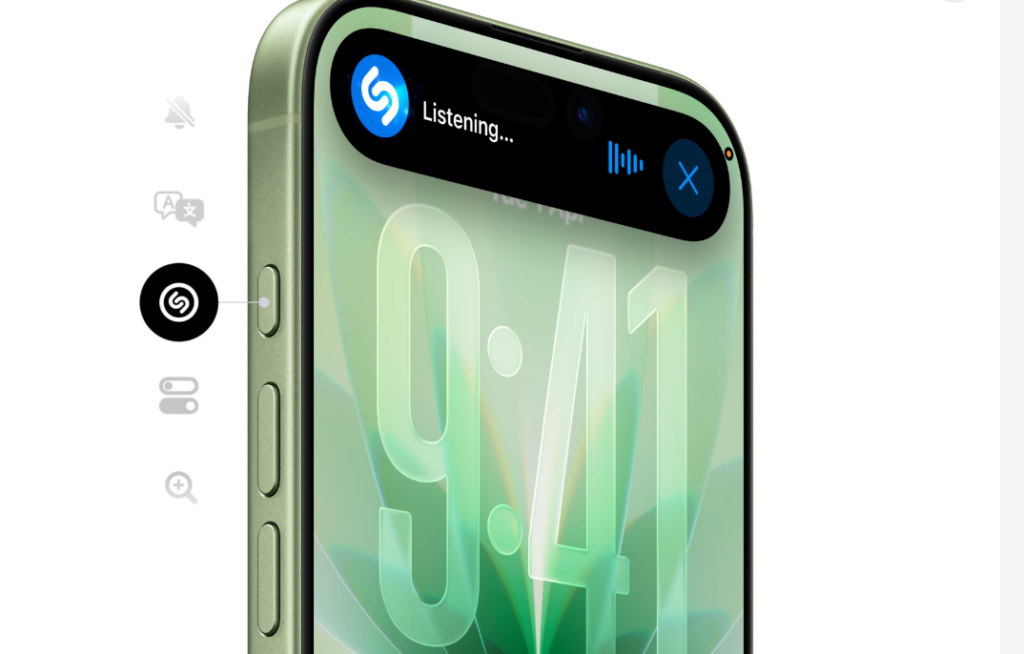
One of the most anticipated upgrades in the Apple iPhone 18 Series is the display. Apple is reportedly working on more advanced OLED panels with improved brightness control and refresh-rate flexibility. LTPO technology is expected to play a key role, allowing displays to dynamically adjust refresh rates for smoother visuals and better battery efficiency.
This upgrade benefits everyday users and professionals alike. Streaming content, gaming, and photo editing all become more immersive with improved color accuracy and contrast. Better efficiency also helps reduce power consumption during static tasks such as reading or messaging.
A20 Chipset: Performance and Efficiency Gains
The Apple iPhone 18 Series is expected to be powered by the new A20 chipset. Built on a more advanced manufacturing process, this chip is designed to deliver higher performance while using less power. Apple’s in-house silicon strategy allows tighter integration with iOS, improving speed and responsiveness across tasks.
This performance boost is especially relevant for heavy workloads such as video editing, gaming, and AI-driven features. The A20 is expected to handle these tasks smoothly while maintaining thermal stability, ensuring consistent performance even during extended usage.
12GB RAM and Long-Term Multitasking
Memory capacity is another area where Apple is expected to push forward. With reports pointing to 12GB RAM on higher-end models, the iPhone 18 Series could see a noticeable improvement in multitasking performance.
More RAM allows apps to remain active in the background without frequent reloads. This is particularly useful for professionals, developers, and content creators who rely on multiple applications simultaneously. Higher memory capacity also supports future iOS updates, helping the device age more gracefully.
AI and On-Device Intelligence
Artificial intelligence is becoming a core part of smartphone experiences, and Apple is expected to expand on-device AI capabilities with the iPhone 18 Series. The A20 chip may include enhanced neural processing components designed to handle AI tasks locally rather than relying on cloud processing.
This approach improves privacy, reduces latency, and enables smarter features such as real-time image enhancement, voice processing, and predictive system behavior. On-device AI could also support more advanced photo and video editing tools directly within the system.
Camera System and Computational Photography
While major camera hardware changes have not been confirmed, improvements in image processing are expected. The Apple iPhone 18 Series is likely to benefit from enhanced computational photography powered by the new chipset and AI capabilities.
Users can expect better low-light performance, improved dynamic range, and more accurate color reproduction. Video recording is also expected to see refinements, particularly in stabilization and real-time processing, which are important for professional and creator-focused users.
Gaming and Graphics Performance
Mobile gaming continues to grow, and Apple is expected to optimize the iPhone 18 Series for high-performance gaming. Improved GPU performance, combined with better thermal management, could allow for longer gaming sessions without throttling.
Support for advanced graphics APIs and higher frame rates may also appeal to developers and gamers looking for console-like experiences on mobile devices.
Battery Efficiency and Power Management in Apple iPhone 18 Series
Rather than increasing battery size, Apple appears focused on improving efficiency. The combination of a more efficient display, advanced chipset, and smarter power management could result in longer battery life without adding bulk. This approach aligns with Apple’s emphasis on maintaining sleek designs while delivering reliable all-day usage.
Connectivity and Future Network Support
The Apple iPhone 18 Series is expected to support next-generation connectivity standards, including improved 5G performance and future network compatibility. Better modem efficiency and signal handling could lead to faster speeds and more stable connections. This makes the device more future-ready, especially for users planning to keep their phones for several years.
Comparison With Previous iPhone Generations
Compared to earlier models, the iPhone 18 Series is shaping up to offer more meaningful upgrades. While previous generations focused on incremental improvements, the upcoming lineup appears to emphasize foundational enhancements such as display quality, memory capacity, and AI integration. These changes make the iPhone 18 Series a potentially attractive upgrade for users holding older devices.
Pricing Expectations and Upgrade Value
Although pricing details remain unconfirmed, the iPhone 18 Series is expected to remain within Apple’s premium pricing structure. The addition of pro-level features across more models could improve perceived value, especially for users upgrading from older iPhones. Apple’s long-term software support further enhances the overall value proposition.
Who Should Consider Upgrading
The Apple iPhone 18 Series may be ideal for:
- Power users and professionals
- Content creators and gamers
- Users seeking long-term software support
- Those upgrading from significantly older iPhones
Related Links
Realme 5G Smartphone Launch – 420MP Camera & 7600mAh Battery at ₹9,600 – Unbeatable Offer!
Who Can Skip This Generation
Users with recent Pro models may find fewer reasons to upgrade immediately. Casual users satisfied with current performance may also prefer to wait until the new features become essential.
The Apple iPhone 18 Series is shaping up to be a major step forward in Apple’s smartphone evolution. With pro-level display upgrades, a powerful A20 chipset, increased RAM, and deeper AI integration, the lineup promises meaningful improvements rather than minor refinements.
While official confirmation is still pending, early reports suggest the iPhone 18 Series will deliver a premium, future-ready experience that justifies the growing excitement around its eventual launch.